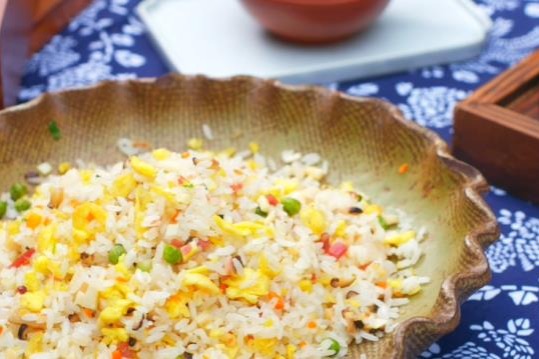
Yangzhou Fried Rice
Introduction
Yangzhou Fried Rice, a classic dish from the Huaiyang cuisine, embodies the essence of culinary excellence with its notable ingredients, precise cooking techniques, and vibrant presentation. Originating from the city of Yangzhou in Jiangsu province, this dish is a celebrated component of Chinese gastronomy, renowned for maintaining the original taste of its ingredients.
History
The origin of Yangzhou Fried Rice can be traced back to the Sui Dynasty (581-618), but it is believed that the dish gained national prominence when Qing emperors such as Kangxi and Qianlong frequently visited the Yangzhou area during their reign. The development of the Grand Canal, which passes through Yangzhou, played a crucial role in the dissemination and popularity of Huaiyang cuisine, including Yangzhou Fried Rice. Over centuries, this dish has evolved with contributions from generations of chefs who have perfected its preparation, ensuring it remains a staple in both traditional and modern Chinese culinary practices. Its historical relevance is not merely confined to its age but is reflected in its continuous adaptation and prominence in various culinary settings worldwide.
Ingredients
The ingredients of Yangzhou Fried Rice are selected for their freshness and quality, which is essential to achieving the dish's characteristic flavor and texture. Typically, the primary components include cooked rice, eggs, green peas, diced carrots, and sometimes shrimp or ham, creating a balanced blend of colors and textures. The choice of ingredients is crucial, as the dish is designed to highlight the original taste of each component. Fresh seasonal vegetables and aquatic products, abundant in the Yangzhou region, often find their way into the dish, enhancing its taste. The simplicity of the ingredients allows the dish to retain a light and fresh flavor, a hallmark of Huaiyang cuisine, which emphasizes delicacy and subtlety over complexity.
Preparation Method
Cooking Techniques
The preparation of Yangzhou Fried Rice requires mastery of several cooking techniques to achieve its signature taste and texture. The rice is typically day-old, ensuring it is slightly dried out, which helps prevent clumping during frying. Chefs employ precise knife skills to evenly dice the ingredients, ensuring uniform cooking and an aesthetically pleasing presentation. The dish is traditionally cooked in a wok, where high heat and rapid stirring ensure even cooking and a slight sear on the ingredients, enhancing their flavors. The eggs are typically scrambled lightly and mixed with the rice, which coats the grains, giving them a golden hue. The cooking process is quick, often taking only a few minutes, to preserve the freshness of the vegetables and the tenderness of the proteins, be it shrimp or ham.
Variations
While the baseline recipe of Yangzhou Fried Rice is well-established, numerous variations exist, each adding a unique twist to the classic dish. Some variations incorporate seafood such as shrimp or scallops, while others might include meats like diced chicken or Chinese sausage. Vegetarian versions highlight a range of vegetables, including bell peppers, mushrooms, and bamboo shoots. The inclusion of different ingredients often depends on regional preferences and seasonal availability. Despite these variations, the fundamental principles remain the same: the dish must be balanced, flavorful, and true to the delicate style of Huaiyang cuisine. These variations not only showcase the adaptability of Yangzhou Fried Rice but also its universal appeal, allowing it to transcend cultural and culinary boundaries.
Cultural Significance
Yangzhou Fried Rice holds a significant place in the cultural tapestry of Chinese cuisine, representing more than just a popular dish. It is a symbol of Huaiyang culinary tradition, emphasizing the importance of fresh ingredients and refined preparation techniques. Its association with Yangzhou, a city with a rich cultural heritage and historical importance in Chinese history, further elevates its status. The dish is often part of festive meals and special occasions, reflecting its role as a comfort food that has been enjoyed by generations. Its popularity has extended beyond China, becoming a staple in Chinese restaurants worldwide, often serving as an introduction to Chinese culinary art for many. The cultural significance of Yangzhou Fried Rice is also evident in its representation of Chinese culinary philosophy, where simplicity and authenticity are celebrated.








